

The Trump administration recently defied a federal court order by proceeding with the deportation of over 200 Venezuelan individuals accused of gang affiliations, despite a judge’s directive.
In exclusive comment provided to Axios, the administration justified its decision by asserting that the court’s restraining order was issued after the deportation flights had already departed U.S. airspace, rendering the order inapplicable.
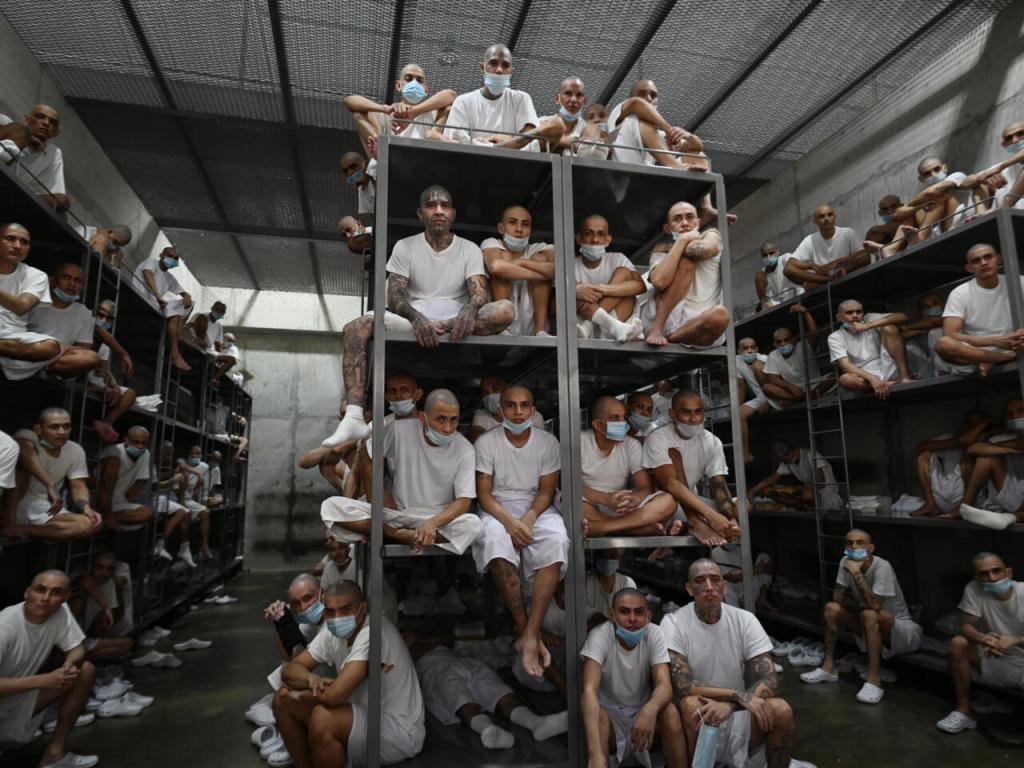
On March 15, 2025, the Trump administration invoked the Alien Enemies Act of 1789 to authorize the expedited deportation of 238 alleged members of the Venezuelan gang Tren de Aragua without standard due process procedures.
U.S. District Judge James Boasberg responded by issuing a 14-day restraining order to temporarily block the deportations, aiming to provide time for a thorough judicial review. However, by the time the order was issued, the deportation flights had already left U.S. territory en route to El Salvador.
The administration’s decision to proceed is possibly an act of contempt of court. Whitehouse spokespeople maintained that because the flights were over international waters at the time the restraining order was issued, the court’s directive did not apply. Legal experts argue that the timing of the deportation was a deliberate act to evade the responsibility of adhering to a court order.
Further complicating the situation, the administration publicly acknowledged its actions on X: The Everything App (assigned “Twitter” at birth). Following the arrival of the deportees in El Salvador, the country’s President, Nayib Bukele, posted “Oopsie… too late,” with a crying-laughing emoji, which U.S. Secretary of State Marco Rubio retweeted.
Many have asked how it’s possible for someone to be deported to a country they are not from, and in this instance, that they have possibly never been to. The answer is that it isn’t supposed to be possible.
However, the United States has done this before. During the Mexican Repatriation in the 1930s, where the U.S. forcibly deported hundreds of thousands of people of Mexican descent, many naturalized U.S. citizens were included.
In this case, the majority of these deportees are not even of El Salvadoran descent. “Third-country” deportations have consistently faced legal challenges under international law, particularly under the principle of non-refoulement, which prohibits deporting individuals to countries where they may face harm.
This mass deportation effort is reminiscent of the “safe third country” agreements from Trump’s first term, where over a thousand asylum seekers from countries like Cuba, Venezuela, and even African nations were deported to Guatemala, El Salvador, and Honduras, despite having no ties there.
In response to these developments, the American Civil Liberties Union (ACLU) has filed motions requesting that the administration clarify whether it purposefully violated the court order. A hearing is scheduled, with the potential for the dispute to escalate to the Supreme Court. This would set significant precedent regarding executive power and judicial oversight.
Despite this, it is unlikely anyone will be held responsible. Trump has the power to issue presidential pardons for anyone convicted of criminal contempt, and because of the 2024 Supreme Court ruling, Trump himself is immune from being held criminally or civilly liable.




 If I Can't Dance Club
Leave a comment